
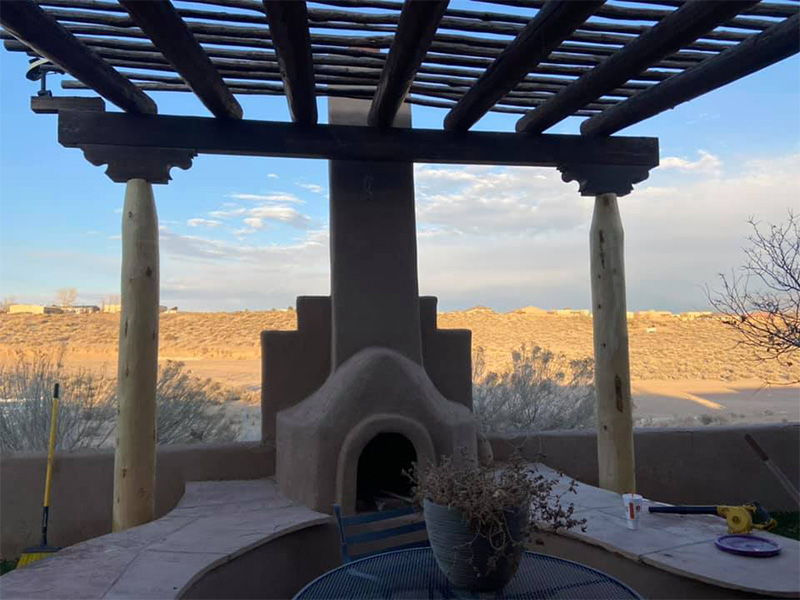
Outdoor living spaces have evolved from simple patios and grills to fully functional kitchens and entertainment areas that rival their indoor counterparts. For homeowners who love cooking, hosting, or simply spending time outside, an outdoor kitchen can transform a backyard into the heart of the home. Whether you envision summer barbecues with friends, cozy fall gatherings around a fire pit, or weekend pizza-making with the family, designing the perfect outdoor kitchen and entertainment space takes planning and creativity.
In this guide, we’ll explore the key considerations, design ideas, must-have features, and tips to create an outdoor oasis that blends style, function, and comfort.
Why Invest in an Outdoor Kitchen and Entertainment Space?
An outdoor kitchen isn’t just about convenience—it’s a lifestyle upgrade. Here’s why homeowners are embracing this trend:
- Expanded Living Space – Your backyard becomes an extension of your home, offering more usable space without adding to your home’s footprint.
- Perfect for Entertaining – Host gatherings without constantly running inside for food or drinks.
- Increased Home Value – A well-designed outdoor kitchen can boost curb appeal and resale value.
- Year-Round Enjoyment – With the right design and features, you can use the space in multiple seasons.
- Better Cooking Experience – Cooking outdoors keeps the heat (and mess) out of your home during summer months.
Step 1: Start with a Vision
Before choosing countertops or appliances, take time to imagine how you’ll use the space.
- Do you plan to host large parties or intimate family dinners?
- Will you need a full cooking setup or just a grill and prep area?
- Are you aiming for a casual, rustic vibe or a sleek, modern look?
- Will the space also need seating, shade, or entertainment systems?
By clarifying your priorities, you’ll avoid costly mistakes and ensure your design supports your lifestyle.
Step 2: Choosing the Right Location
Placement is key for convenience and comfort.
- Close to the Indoor Kitchen – Proximity to your main kitchen makes it easier to bring out ingredients or dishes you forgot.
- Sheltered from Wind – Strong winds can make cooking difficult and disrupt gatherings.
- Shade and Sun Balance – Consider pergolas, umbrellas, or roof extensions to provide relief from intense sun.
- Access to Utilities – Running water, electricity, and gas lines should be factored into the location.
If your yard is small, consider a corner layout or a compact design that doesn’t overwhelm the space.
Step 3: Designing the Layout
Just like indoor kitchens, outdoor kitchens benefit from efficient layouts.
Popular Layout Options:
- Straight-Line – Best for small spaces; everything is along one wall.
- L-Shaped – Offers more counter space and separates cooking from serving areas.
- U-Shaped – Great for larger spaces and multiple cooks.
- Island – Adds seating and prep space, perfect for socializing while cooking.
Step 4: Must-Have Features for Outdoor Kitchens
While your exact setup depends on your budget and space, here are common elements to consider:
- Grill or Cooking Station – The centerpiece of most outdoor kitchens. Options range from built-in gas grills to smokers, pizza ovens, and flat-top griddles.
- Counter Space – Essential for prep work and serving food.
- Sink with Running Water – Increases functionality and saves trips inside.
- Refrigeration – Outdoor-rated mini-fridges or beverage coolers keep drinks and ingredients fresh.
- Storage Cabinets – Weatherproof cabinetry keeps utensils, dishes, and supplies handy.
- Seating Area – Built-in benches, bar seating, or a dining table for guests.
- Lighting – Task lighting for cooking areas and ambient lighting for dining and lounging.
- Shade Structures – Pergolas, awnings, or retractable canopies enhance comfort.
- Fire Features – Fire pits, fireplaces, or tabletop heaters extend usability into cooler months.
- Entertainment Systems – Outdoor TVs, speakers, and projectors for sports events or movie nights.
Step 5: Choosing Durable Materials
Outdoor kitchens face exposure to sun, rain, wind, and temperature changes, so durability is critical.
- Countertops – Granite, concrete, and quartzite resist weathering and heat.
- Cabinets – Marine-grade polymer, stainless steel, or teak withstand moisture and UV rays.
- Flooring – Non-slip surfaces like textured concrete, porcelain tile, or natural stone ensure safety.
- Appliances – Always choose outdoor-rated appliances designed for varying weather conditions.
Step 6: Incorporating Entertainment Spaces
An outdoor kitchen is even more enjoyable when paired with spaces for relaxation and fun.
Popular Entertainment Additions:
- Lounge Areas – Sofas and chairs with weather-resistant cushions for comfort.
- Outdoor Bar – Complete with stools, drinkware storage, and maybe even a kegerator.
- Dining Zone – A dedicated table area for family dinners or parties.
- Fire Pit Gathering Spot – Ideal for marshmallow roasting and evening chats.
- Game Area – Cornhole, bocce ball, or outdoor pool tables.
- Movie Setup – Projector screens for backyard cinema nights.
Step 7: Weatherproofing and Comfort
A great outdoor kitchen isn’t just about cooking—it’s about enjoying the space in comfort year-round.
- Heating – Patio heaters, fire pits, or built-in fireplaces.
- Cooling – Ceiling fans, misting systems, or portable fans for hot days.
- Shade – Retractable awnings, umbrellas, or pergolas.
- Wind Barriers – Glass panels, walls, or landscaping for protection.
Step 8: Lighting for Function and Mood
Lighting makes your outdoor kitchen safer and more inviting.
- Task Lighting – Bright lights over the cooking area.
- Ambient Lighting – String lights, lanterns, or LED strips to set the mood.
- Accent Lighting – Spotlights to highlight landscaping or architectural features.
Step 9: Maintenance Tips
To keep your outdoor kitchen looking and functioning its best:
- Clean the grill and cooking surfaces after each use.
- Cover appliances when not in use.
- Check for rust or wear on metal parts.
- Wipe down countertops regularly to prevent stains.
- Winterize plumbing and appliances before freezing temperatures.
Step 10: Budget Considerations
Outdoor kitchens can range from modest setups under $5,000 to luxury builds exceeding $50,000. Factors affecting cost include:
- Size and complexity of layout
- Appliance quality and quantity
- Utility hookups (water, gas, electric)
- Materials chosen for counters, cabinets, and flooring
- Custom features like pergolas, bars, or fireplaces
Setting a clear budget early helps guide your design choices.
Inspiration for Your Design
Here are a few style ideas to spark creativity:
- Modern Minimalist – Sleek stainless steel, polished concrete, and clean lines.
- Rustic Retreat – Natural stone, wood accents, and warm lighting.
- Mediterranean Escape – Terracotta tile, colorful mosaics, and wrought iron details.
- Tropical Paradise – Bamboo, thatched roofing, and lush landscaping.
- Industrial Chic – Exposed metal, reclaimed wood, and bold fixtures.
Bringing It All Together
An outdoor kitchen and entertainment space isn’t just about cooking—it’s about creating a destination in your own backyard. Whether you want a simple grill station with a few chairs or a full chef’s kitchen with multiple dining zones, the key is to design with intention. Prioritize functionality, comfort, and durability, and the result will be a space that invites you and your guests to linger long after the meal is over.
With thoughtful planning, your outdoor kitchen can become the centerpiece of unforgettable gatherings, a sanctuary for relaxing evenings, and a feature that adds lasting value to your home.
